
 EN


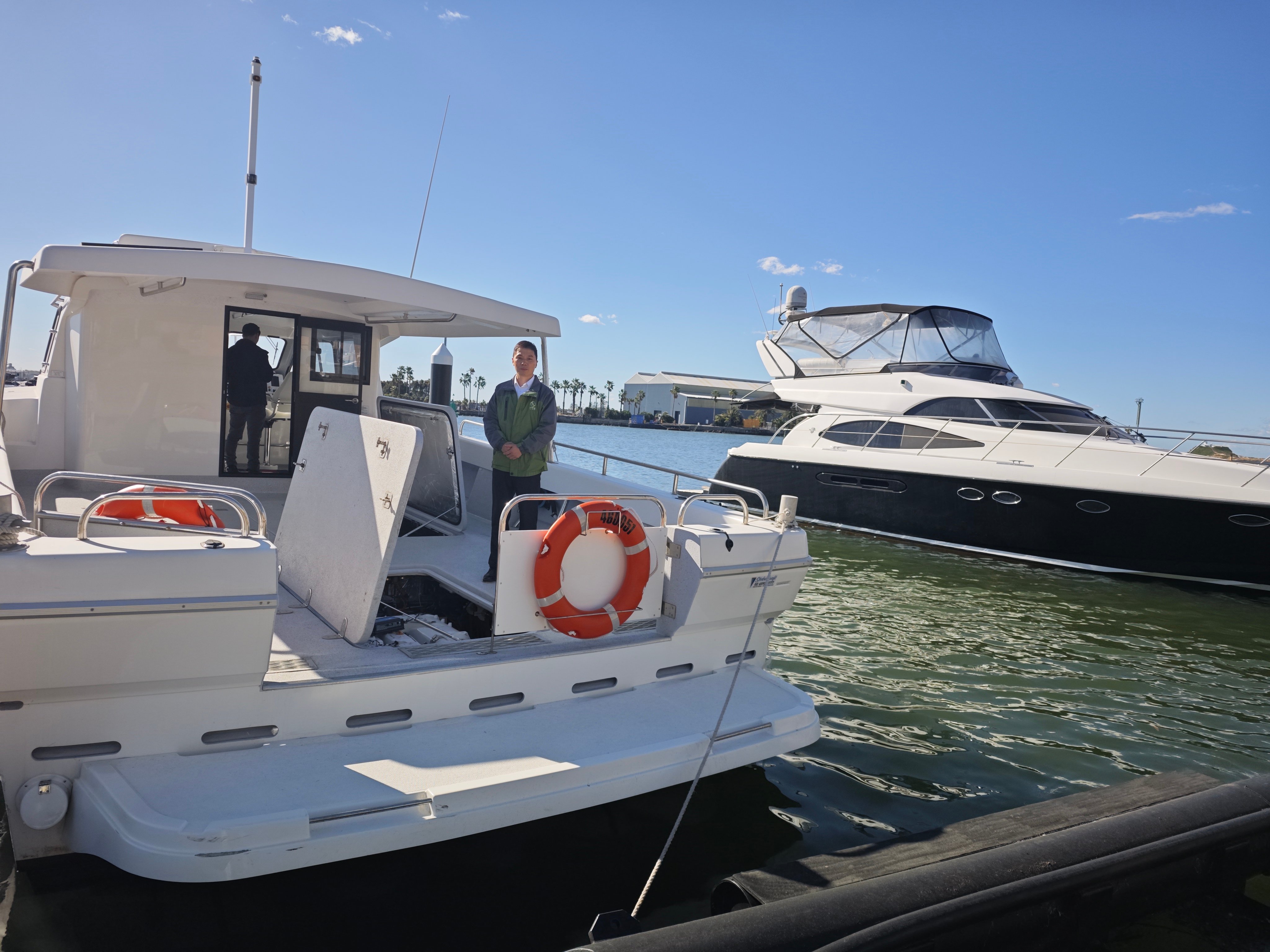
As marine electrification continues to grow, lithium battery systems are becoming an important power source for electric boats, ferries, workboats, yachts and other marine vessels.
However, designing a reliable marine battery system involves much more than simply selecting a battery with enough capacity.
The battery needs to work as part of a complete propulsion and energy system while meeting requirements for safety, thermal management, charging, communication and the marine operating environment.
Here are 5 key considerations when designing a marine battery system.
The first step is determining how much energy and power the vessel actually needs.
Battery capacity is typically measured in kWh, while the required power depends on the propulsion motor and other onboard electrical loads.
The required battery capacity depends on factors such as:
- Vessel size and weight
- Motor power
- Cruising speed
- Desired operating range
- Operating conditions
- Auxiliary electrical loads
- Required reserve capacity
- Charging opportunities
For example, a small electric boat may require a relatively compact battery system, while a larger commercial vessel or workboat may require a high-capacity, high-voltage battery system.
Therefore, battery sizing should be based on the vessel's complete power requirements rather than simply choosing the largest available battery.
Key point:
A properly sized marine battery system needs to balance energy capacity, power output, operating range, weight and available installation space.
Voltage is another critical factor in marine battery system design.
For higher-power electric propulsion systems, increasing system voltage can help reduce current for the same power output.
For example:
Power = Voltage × Current
At the same power level, a higher-voltage system requires lower current.
This can help reduce:
- Cable size
- Electrical losses
- Heat generation
- Powertrain current requirements
Depending on vessel size and propulsion requirements, marine battery systems can use different voltage platforms, from low-voltage systems to high-voltage architectures.
A properly designed high-voltage marine battery system may integrate:
- Battery modules
- High-voltage BMS
- Contactors
- Pre-charge circuit
- HV distribution
- Fuse protection
- CAN communication
- Safety monitoring
The voltage architecture should therefore be selected together with the motor, inverter, charger and other components of the electric propulsion system.
Battery performance can be strongly affected by temperature.
Marine vessels may operate in very different environments, from cold northern climates to hot and humid tropical regions. High-power propulsion can also generate significant heat during continuous operation and fast charging.
For high-power marine battery systems, liquid cooling can provide more controlled thermal management than relying only on passive or air cooling.
A liquid-cooled battery system can help maintain a more stable operating temperature across battery cells and modules.
A well-designed thermal management system may include:
- Cooling plates
- Coolant circulation
- Pumps
- Heat exchangers
- Temperature sensors
- Thermal control software
Maintaining an appropriate battery temperature can help improve system performance, reliability and service life.
For high-power marine propulsion applications, thermal management should be considered during the initial battery architecture design rather than added later.
Safety is one of the most important considerations when designing a marine lithium battery system.
A marine battery system needs to continuously monitor battery operating conditions and protect the system against abnormal situations.
A properly designed BMS can monitor parameters such as:
- Cell voltage
- Pack voltage
- Current
- Cell temperature
- State of Charge (SOC)
- State of Health (SOH)
- Insulation status
- Charging and discharging conditions
The system can also provide protection against conditions such as:
- Overvoltage
- Undervoltage
- Overcurrent
- Overtemperature
- Short circuit
- Abnormal cell conditions
For high-voltage systems, additional protection and electrical safety functions may include contactors, pre-charge circuits, fuses, insulation monitoring and emergency shutdown functions.
The battery system should also be designed according to the applicable marine regulations, vessel requirements and certification standards for the target market.
A marine battery is only one part of the vessel's electrical architecture.
The battery system needs to communicate and work properly with:
- Electric motors
- Motor controllers/inverters
- Onboard chargers
- DC/DC converters
- Energy management systems
- Vessel control systems
- Shore charging systems
Charging requirements should therefore be considered during battery system design.
Depending on the vessel and application, the system may support different charging solutions, including AC charging or DC fast charging.
For example, a high-power marine battery system may integrate a CCS2 charging solution when fast charging is required.
CAN communication can also allow the battery management system to exchange information with the vehicle or vessel control system, including:
- SOC
- Voltage
- Current
- Temperature
- Fault information
- Charging status
- Battery limits
A well-integrated battery system can help ensure that the battery, propulsion system and charging system operate as one complete solution.
A reliable marine battery system is not simply a large lithium battery pack.
It is a complete system designed around the vessel's specific requirements.
The key considerations include:
| Design Factor | Key Questions |
|---|---|
| Energy & Power | How much energy and propulsion power are required? |
| Voltage | What voltage architecture matches the propulsion system? |
| Thermal Management | How will the battery be cooled during operation and charging? |
| Safety | What BMS and high-voltage protection functions are required? |
| Charging & Integration | How will the battery communicate with the motor and charging system? |
For OEMs and marine equipment manufacturers, custom battery system design is often more suitable than using a standard battery pack.
CTS Battery provides customized lithium battery systems for electric and hybrid marine applications.
Our marine battery solutions can be customized according to vessel requirements, including:
- Battery voltage and capacity
- Battery pack dimensions
- BMS configuration
- CAN communication
- Thermal management
- Liquid cooling systems
- High-voltage protection
- Charging system integration
- Mechanical enclosure design
For higher-power marine propulsion applications, CTS Battery can provide an integrated solution including:
Lithium Battery System + Liquid Cooling System + Charging System
This allows the battery system to be designed around the vessel's propulsion and charging requirements from the beginning.
For marine OEMs, boat manufacturers and system integrators, working with an experienced custom marine battery manufacturer can help ensure that the battery system is properly matched to the vessel and propulsion system.
Looking for a customized marine lithium battery system for your next project? Contact CTS Battery to discuss your requirements.