
 EN


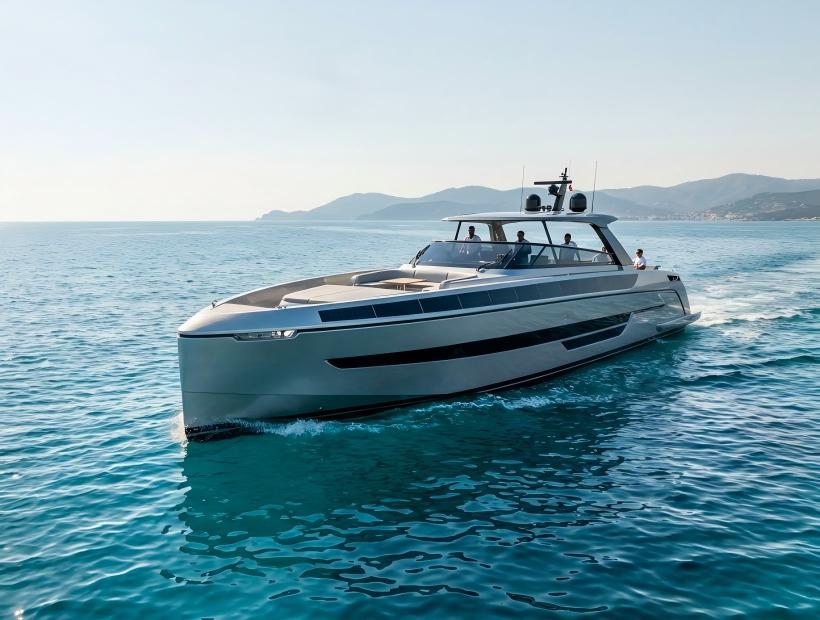
As the maritime industry accelerates toward decarbonization, electric propulsion is becoming the gold standard for yachts, workboats, and commercial ferries. However, designing a reliable Marine Battery System involves far more than simply selecting a battery capacity.
Unlike land-based applications, the marine environment demands extreme precision in power density, safety, and system synergy. Based on CTS Battery’s years of experience as a full-stack powertrain solution provider, here are the five critical dimensions you must consider during the design phase.
1. The Balance of Energy & Power: Eliminating "Range Anxiety"
Battery capacity must be precisely matched to propulsion power, operational range, and auxiliary onboard loads (such as HVAC and navigation systems).
- Design Note: It’s not just about total energy (kWh); you must also consider the C-rate (discharge rate) to ensure the system can handle instantaneous high-power demands during maneuvering or in heavy sea states.
- CTS Insight: We provide optimized energy density solutions tailored to specific hull types, whether for high-speed planing crafts or long-endurance displacement vessels.
2. High-Voltage Architecture: Driving Efficiency
In high-performance marine applications, shifting to high-voltage systems (such as 345V or 614V) is no longer optional—it is a strategic necessity.
- The Advantage: Higher voltage significantly reduces current, which allows for smaller cable sizes and lower overall system weight. Most importantly, it minimizes electrical losses during energy transmission, which is vital in space-constrained engine rooms.
3. Thermal Management: Stability in Extreme Conditions
For workboats with heavy duty cycles or luxury yachts requiring fast charging, Liquid Cooling is the heart of system stability.
- The Role: A robust liquid cooling system ensures that battery cells remain within their optimal temperature window even under heavy loads. This prevents thermal runaway, maintains peak performance, and significantly extends the battery’s cycle life.
4. Uncompromising Safety & BMS Monitoring
The ocean is a harsh environment characterized by high humidity, salt spray, and constant vibration.
- Comprehensive Protection: A marine-grade Battery Management System (BMS) must provide 24/7 monitoring of voltage, current, SOC (State of Charge), SOH (State of Health), and insulation status.
- Hardware Ruggedness: At CTS Battery, we utilize SUS316 stainless steel enclosures and IP67-rated designs to ensure superior corrosion resistance and water-tight integrity, keeping your vessel safe at all times.
5. Seamless Integration: From Battery to Full-Stack Solution
A battery should never be an "island." It must work in perfect harmony with the motor, inverter, charger, and Vessel Control System (VCS).
- The "One Partner" Advantage: As a full-stack provider, we offer integrated solutions including batteries, 3.3kW/6.6kW OBCs, and motor controllers. This holistic approach eliminates communication redundancies and significantly shortens the development cycle for OEMs and system integrators.
Marine electrification is a complex engineering challenge. From battery architecture selection to total system integration, every detail dictates the reliability and operational efficiency of the vessel.
CTS Battery is dedicated to providing customized powertrain solutions for global marine OEMs. Whether you are looking for high-voltage liquid-cooled systems or specialized Lithium/Sodium-ion solutions for extreme environments, we offer full-process support from design to commissioning.
Ready to start your marine electrification journey? Contact our application engineers for a customized marine battery proposal and a comprehensive design consultation.