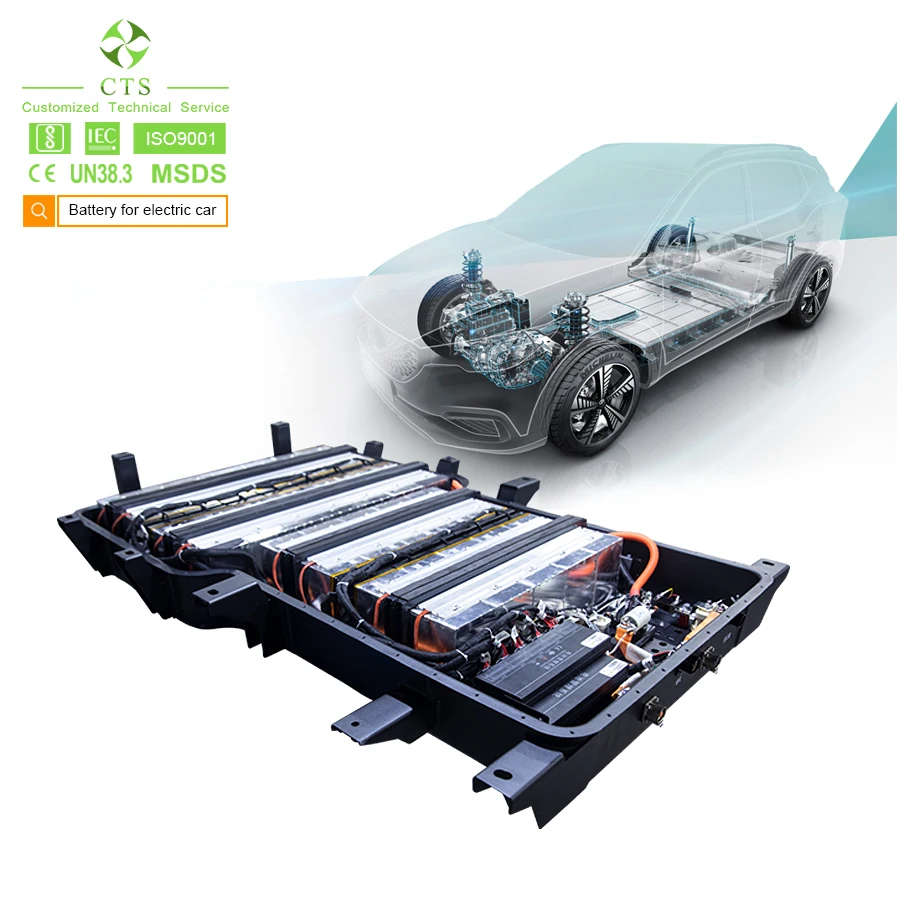
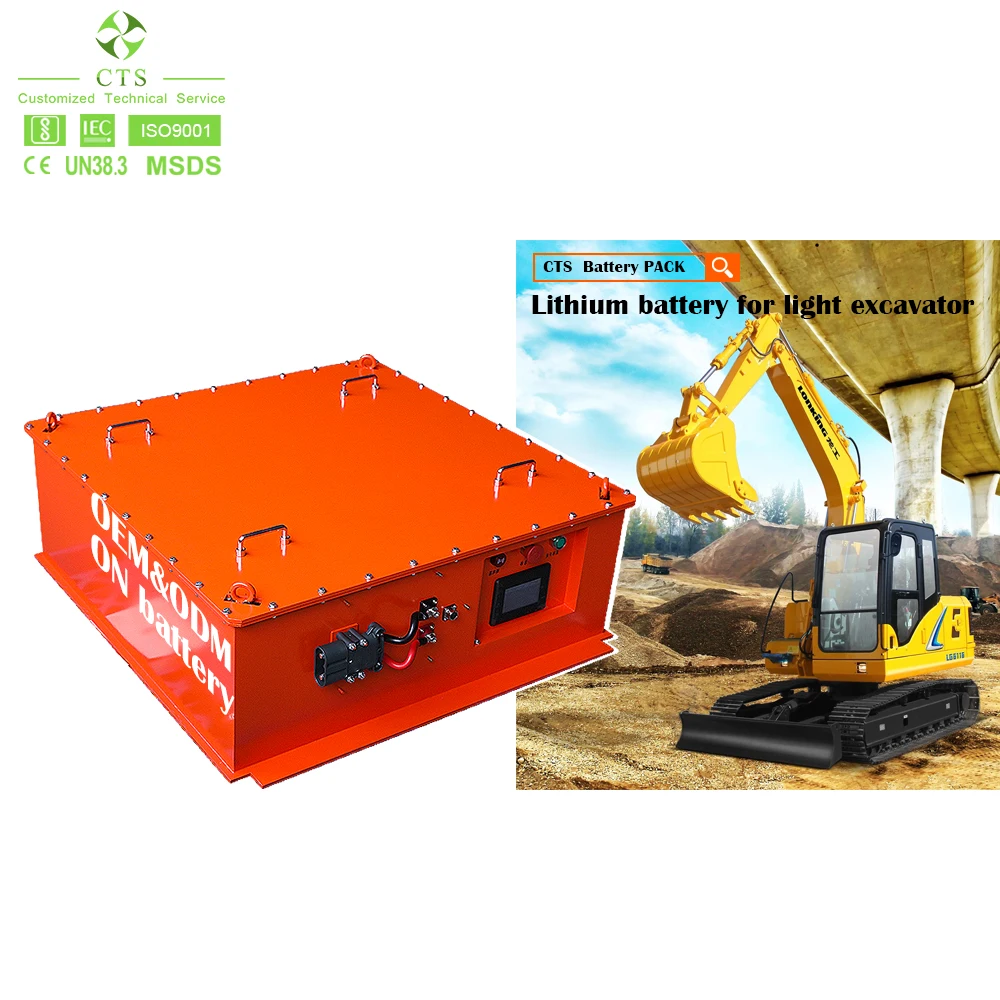
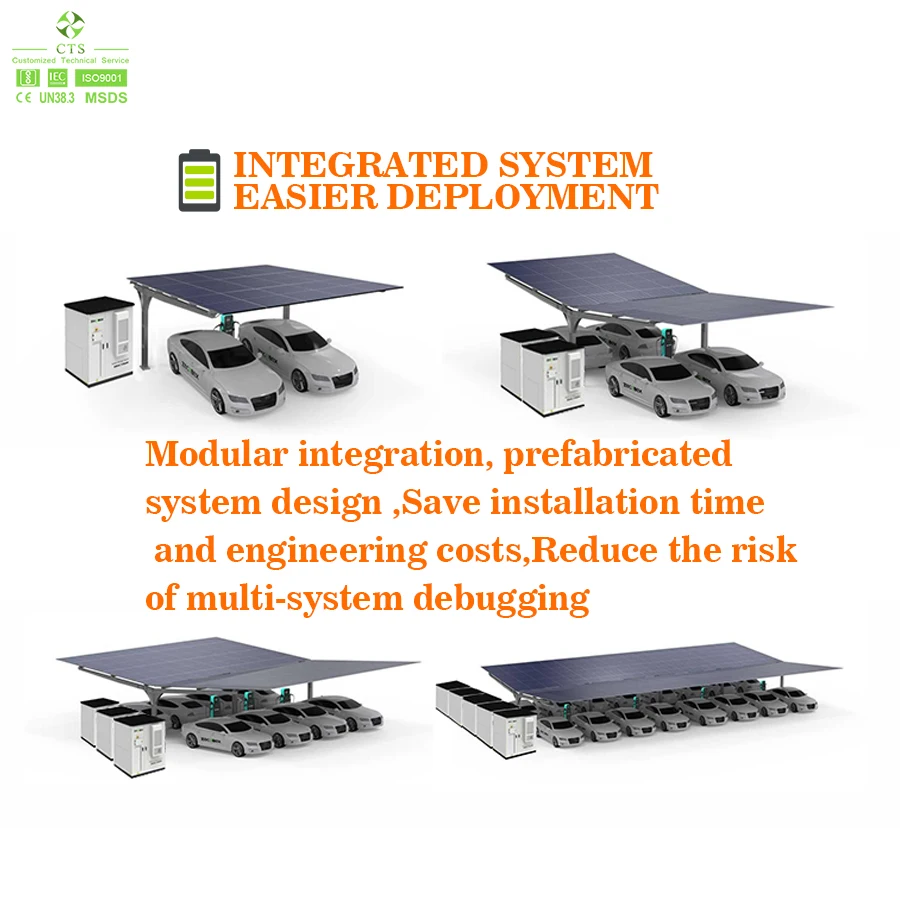
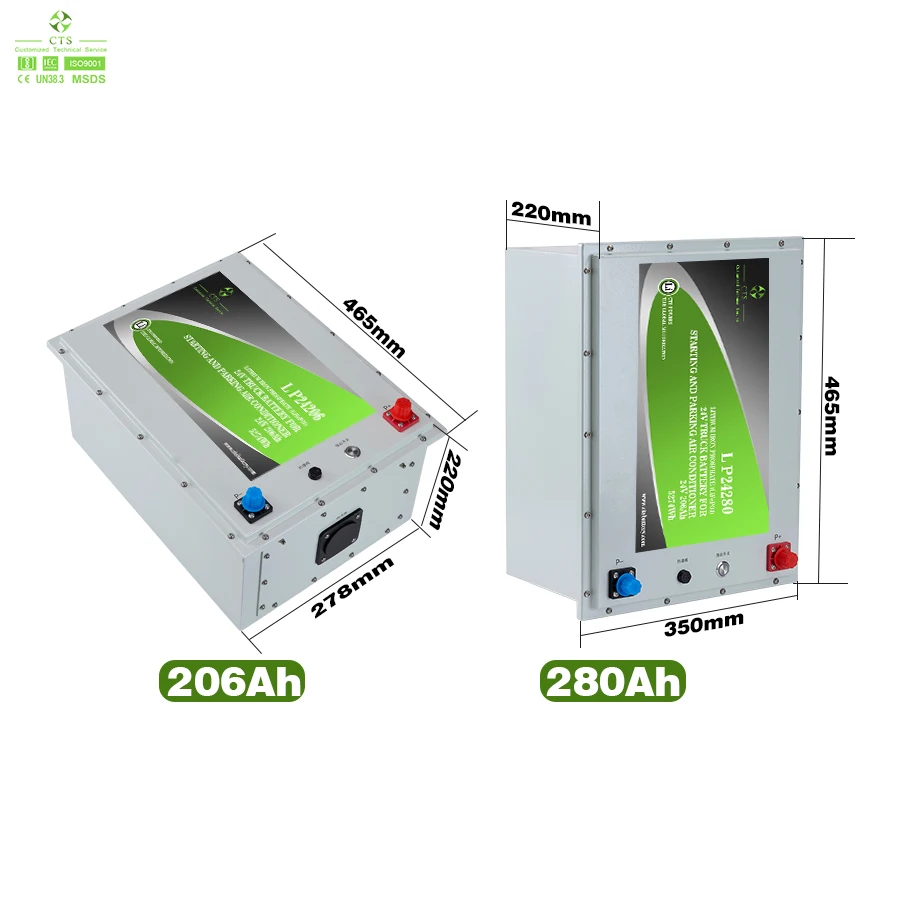
In procurement discussions, battery specifications and price are often the first metrics compared.
However, in high-voltage applications, these metrics represent only a small portion of total project value.
European OEMs and industrial customers increasingly assess suppliers based on three core capabilities:
A lower initial cost may become irrelevant if integration delays extend vehicle launch timelines or certification processes.
Companies such as CTS, working with 400V–800V commercial and industrial platforms, observe that project risk management increasingly outweighs nominal battery parameters.
Key evaluation questions should include:
Does the supplier provide complete powertrain integration support?
Can they demonstrate CE and regulatory experience?
Do they offer transparent validation documentation?
Have they delivered comparable high-voltage projects?
A reliable partner reduces technical uncertainty, shortens development cycles and lowers lifecycle risk — particularly when battery, control strategy and system validation are engineered within a coordinated framework, as practiced in CTS high-voltage programs.
In high-voltage electrification, the true cost driver is not hardware — it is risk.
Companies that recognise this shift position themselves for sustainable, long-term cooperation in the European market.
 Hot News
2024-09-18
2024-12-25
2025-01-15
2025-09-30
2025-10-28
2025-10-30

 EN
EN