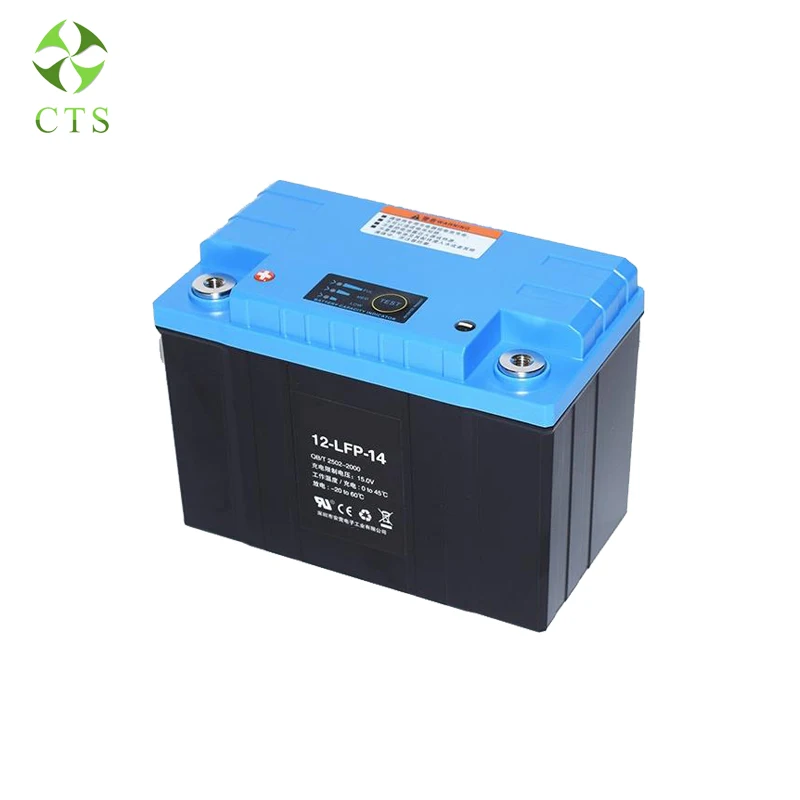
If bulging, or leakage occurs in a lithium battery, it indicates internal damage or degradation. Here’s what should be done — both immediately and for long-term prevention:
1. Immediate Actions
- Stop using the battery immediately.
- Disconnect it from any device or charger.
- Continuing to use a damaged battery can cause thermal runaway, fire, or explosion.
- Do not puncture, press, or attempt to repair the battery.
- Swollen (bulging) cells contain gas and can be very dangerous if breached.
- Move the battery to a safe, well-ventilated area.
- Keep it away from flammable materials and heat sources.
2. If leaking:
- Avoid direct skin or eye contact with the electrolyte.
- Use gloves and wipe spills with a dry cloth, then dispose of the cloth safely.
- If contact occurs, rinse immediately with plenty of water and seek medical attention if irritation persists.
- Dispose of it properly, take the damaged battery to a certified recycling or hazardous waste facility.
- Do not throw it in regular trash or general recycling bins.
3. Investigate the Cause
- Overcharging or deep discharging → Check your charger or BMS settings.
- High temperature or poor ventilation → Ensure proper cooling during operation.
- Poor-quality cells or long-term aging → Replace with high-quality or fresh batteries.
- Mechanical damage → Review installation and handling procedures.
4. Prevention Tips
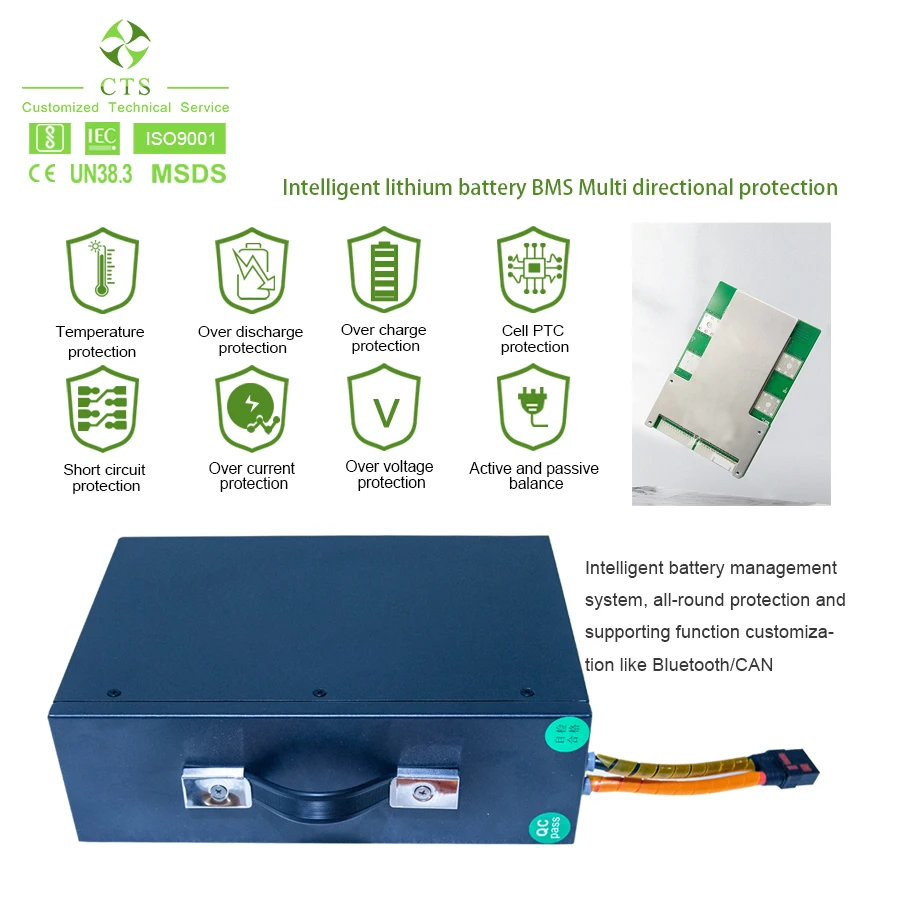
- Use a BMS (Battery Management System) for protection against overcharge, overdischarge, and overcurrent.
- Store batteries in a cool, dry place (ideally 15–25 °C).
- Avoid charging or discharging at extreme temperatures.
- Use only compatible chargers and follow manufacturer charging parameters.
- Conduct regular inspection and maintenance on packs in operation.
 Hot News
 EN
EN