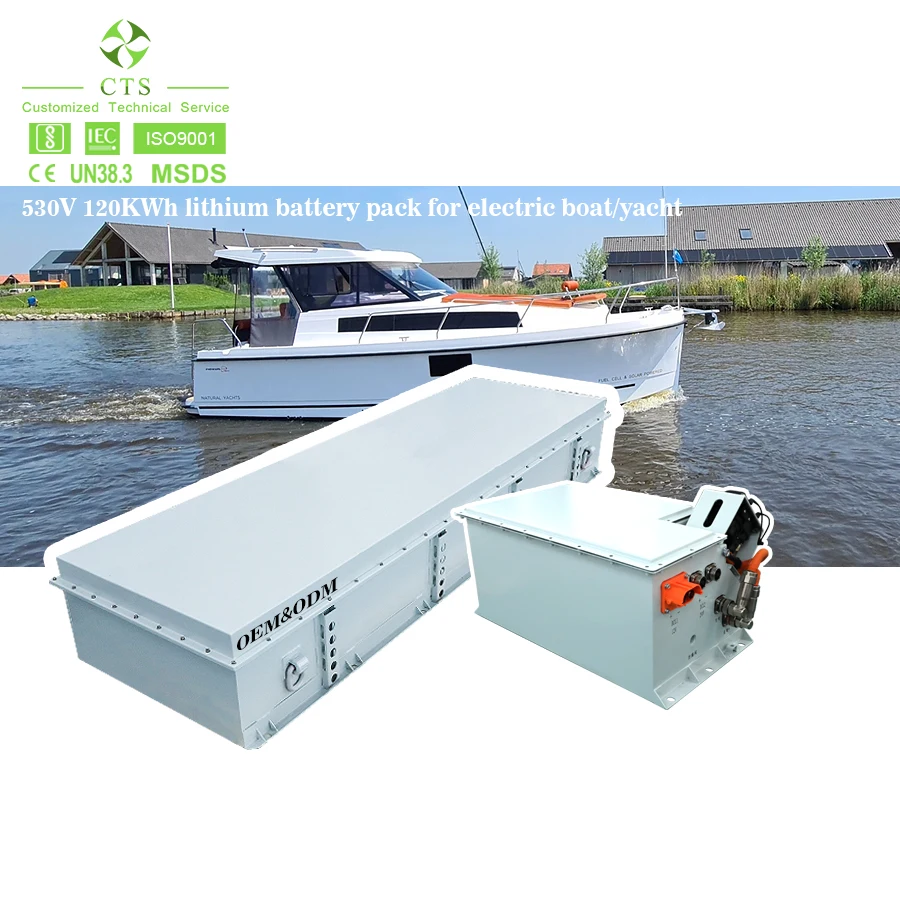
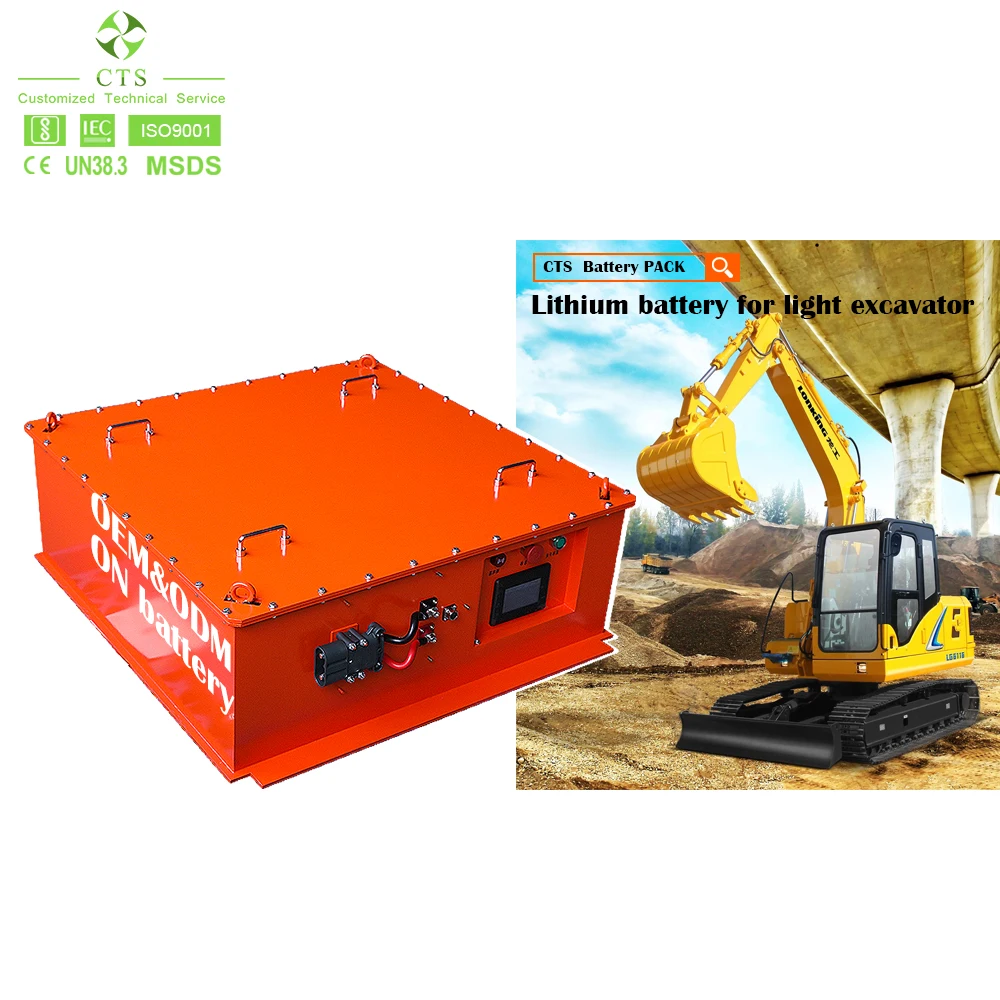
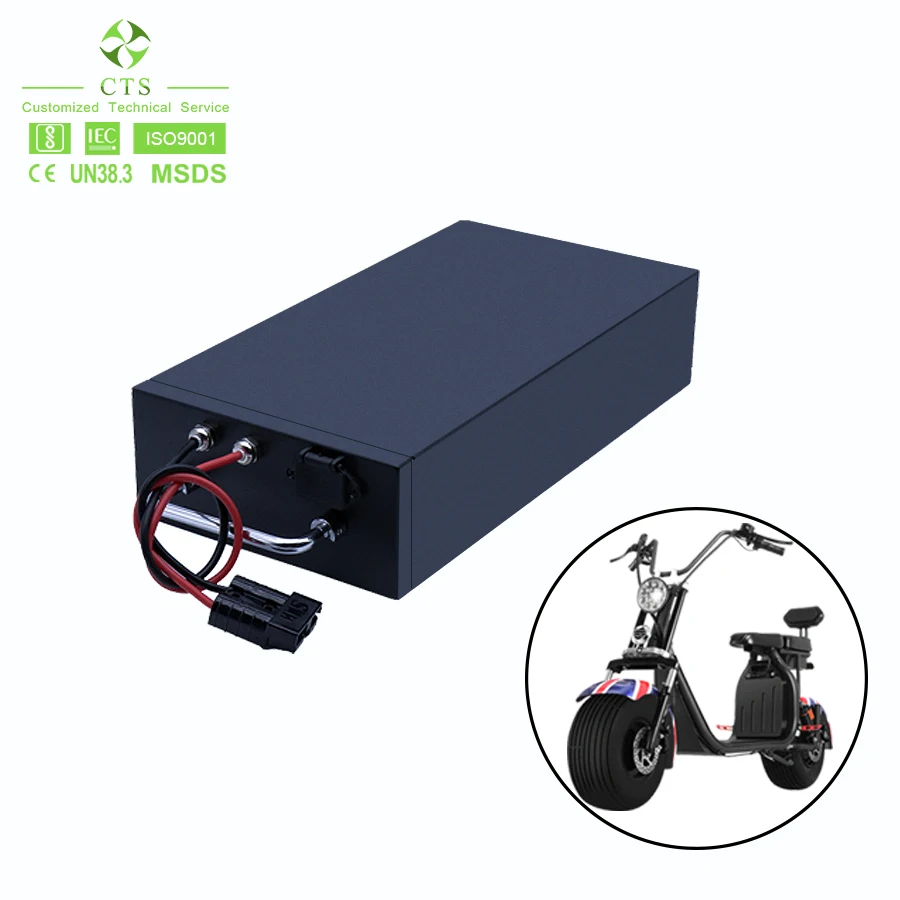
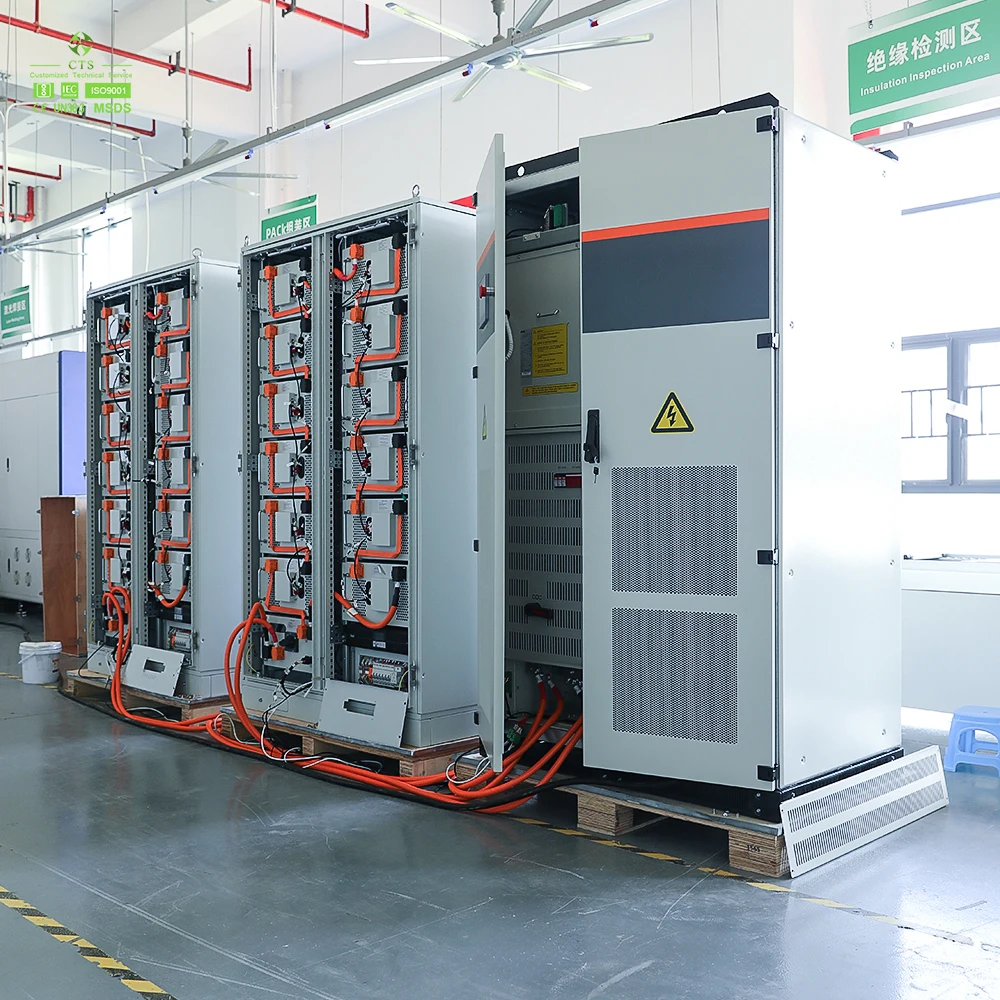
In high-voltage battery systems, safety is not an additional function. It is the foundation of the entire architecture.
Whether operating at 400V, 600V, or 800V, the risks of high-voltage lithium-ion battery systems are fundamentally different from those of low-voltage battery packs. Insulation failure, relay welding, precharge failure, arcing, and thermal runaway are not theoretical assumptions, but actual engineering risks that must be systematically controlled.
Especially in the European market, products must strictly comply with standards set by organizations such as the IEC and certification bodies such as UL. For vehicle applications, compliance with ECE R100 and the CE Directive is crucial. However, compliance with standards alone does not guarantee safety. True safety capabilities stem from the design philosophy.
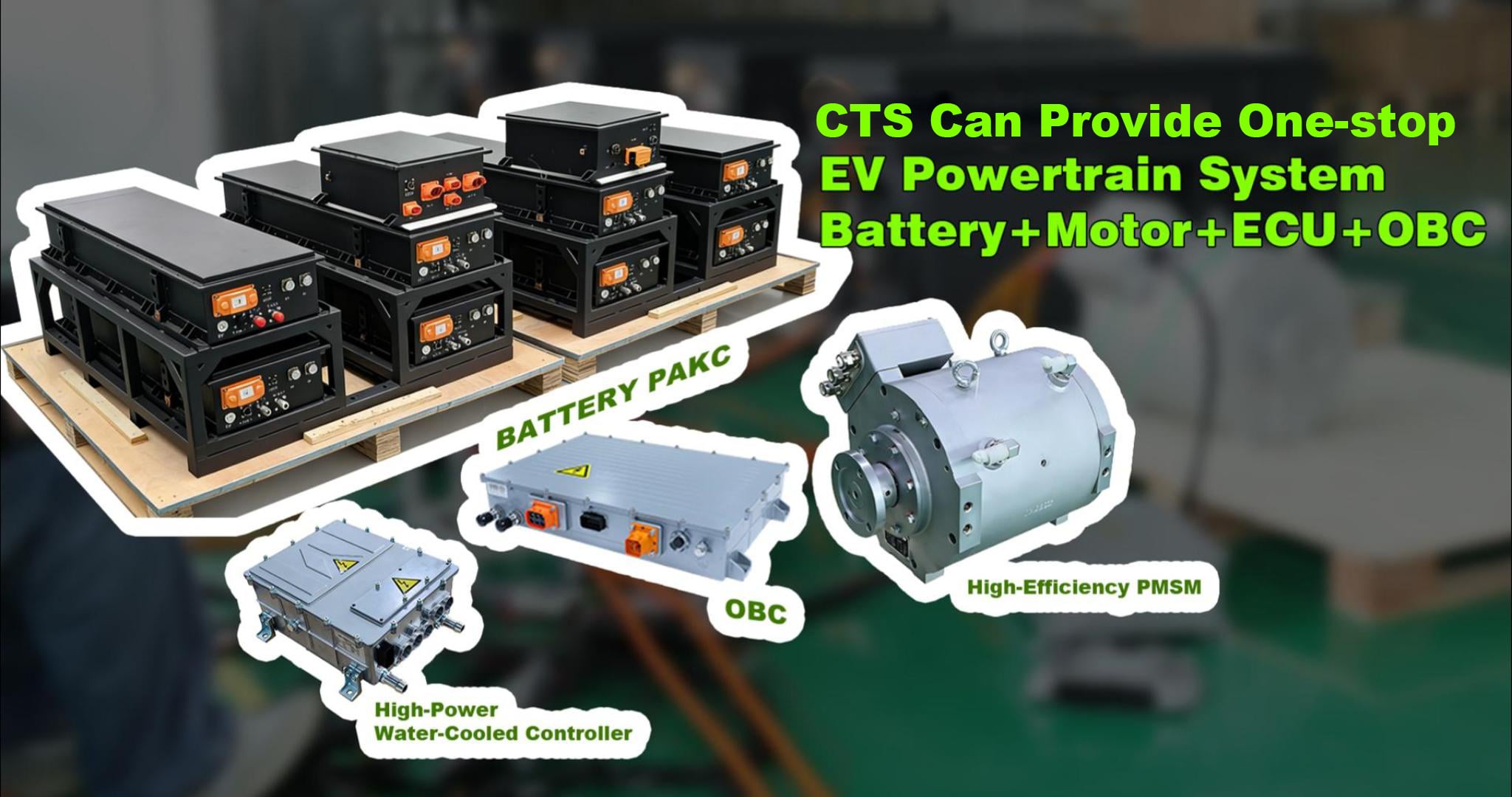
Our CTS high-voltage battery system includes:
The CTS Battery Management System (BMS) plays a decisive role. An advanced master-slave BMS architecture ensures precise voltage balancing, temperature monitoring, and fault isolation in large series battery packs. Real-time diagnostics and communication with the vehicle control unit are crucial for preventing cascading failures.
Thermal management is equally important. European customers increasingly expect simulation-based thermal design and propagation resistance verification, especially in commercial vehicle and marine applications. Customers are not buying cells or modules, but risk mitigation.
As a professional high-voltage battery system manufacturer, CTS has mature verification methodologies and comprehensive safety testing procedures, with extensive field experience in marine, commercial vehicle, and industrial equipment applications. Please feel free to contact us with any battery needs.
 Hot News
2024-09-18
2024-12-25
2025-01-15
2025-09-30
2025-10-28
2025-10-30

 EN
EN