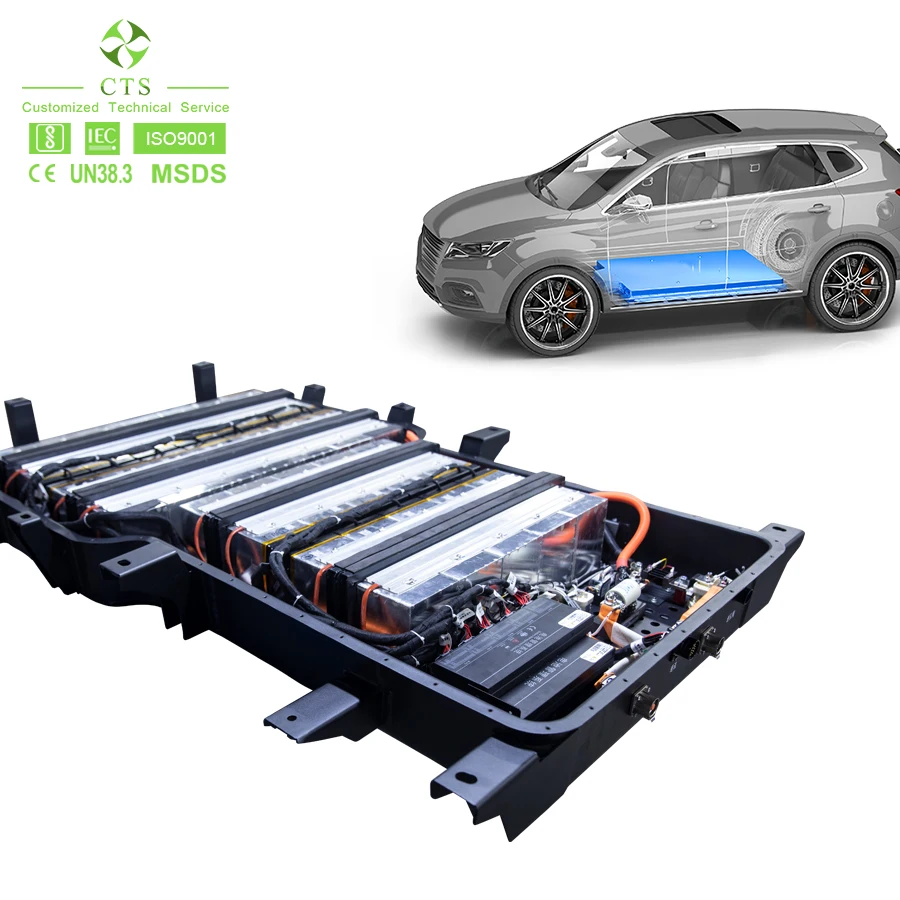
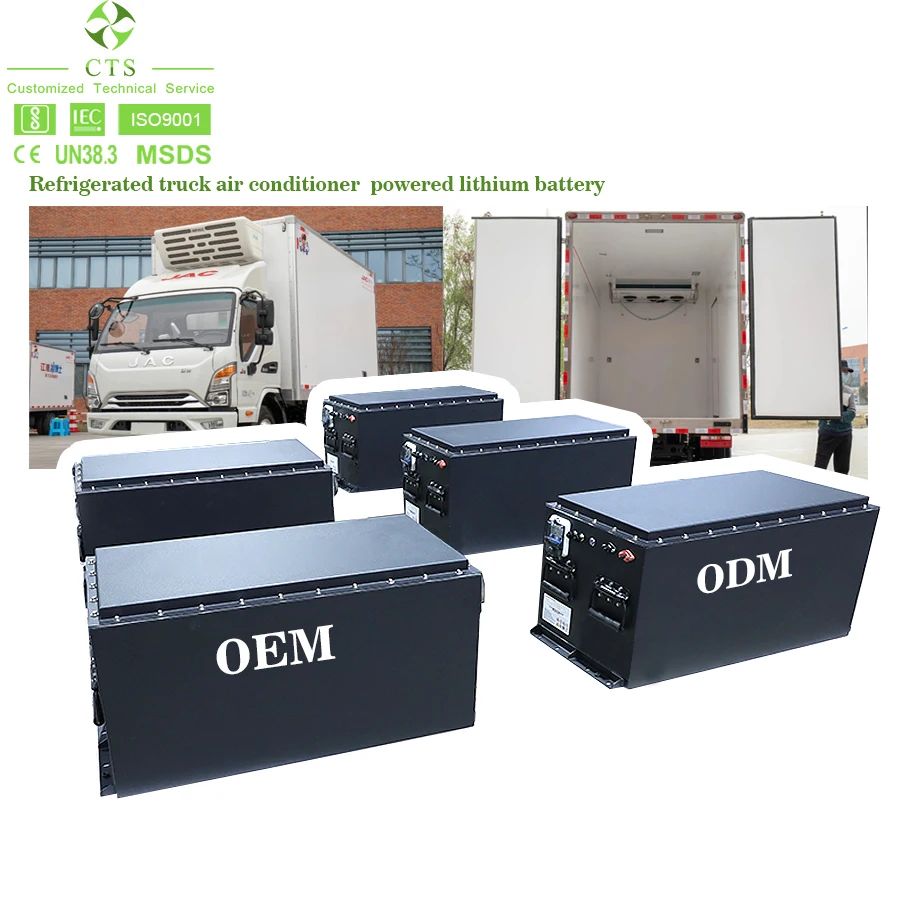
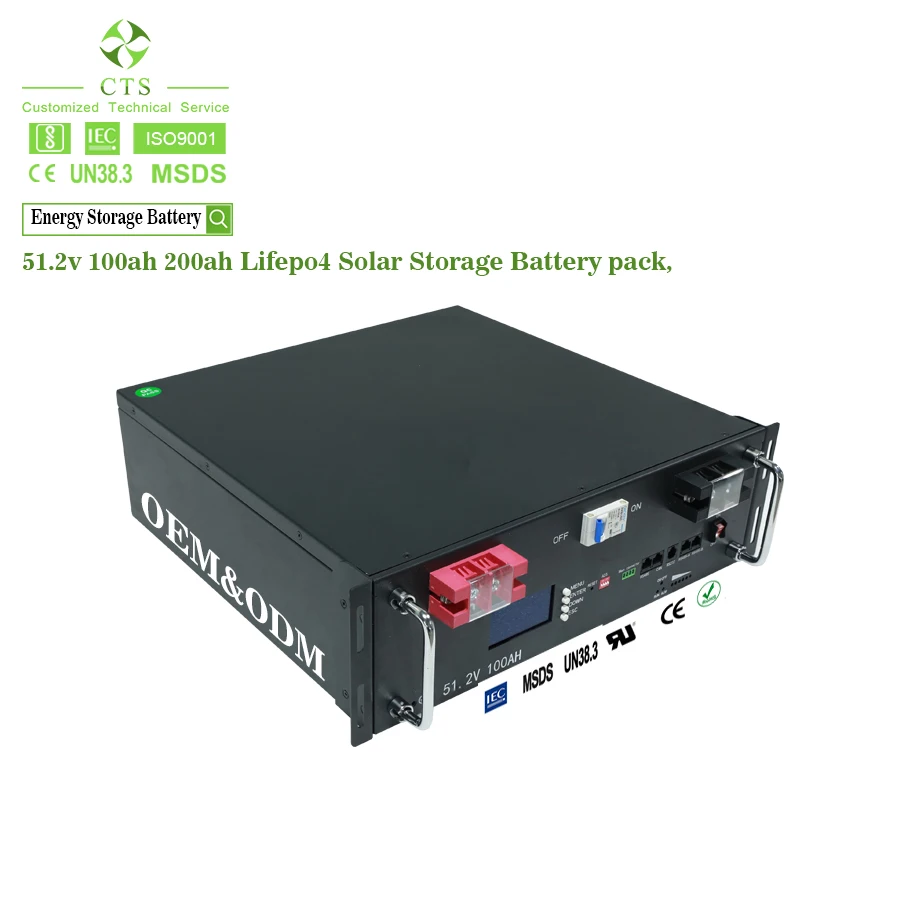
As battery voltage and power output increase, thermal management becomes one of the most critical challenges in battery system design. This is why liquid cooling is rapidly replacing traditional air cooling in modern high-voltage battery systems.
The Thermal Challenge of High-Voltage Battery Systems
High-voltage battery systems typically operate between 400V and 1000V+, delivering large amounts of power for heavy-duty electric applications.
During charging and discharging, battery cells generate heat due to internal resistance. In high-power operating conditions—such as fast charging, climbing, heavy load operation, or continuous high-current discharge—the heat generation becomes significantly higher.
If the temperature is not properly controlled, it can lead to:
Reduced battery efficiency
Accelerated battery aging
Shortened cycle life
Power limitation
Cell inconsistency
Safety risks and thermal runaway
For this reason, thermal management is no longer optional in high-voltage battery systems—it is essential.
Advantages of Liquid Cooling in High-Voltage Battery Systems
Liquid cooling uses coolant circulation channels, cooling plates, pumps, and heat exchangers to directly remove heat from battery modules.
Compared with air cooling, liquid cooling provides major advantages.
1. Higher Cooling Efficiency
Liquid has much higher thermal conductivity than air, allowing it to absorb and transfer heat more efficiently.
2. Better Temperature Uniformity
One of the biggest advantages of liquid cooling is maintaining consistent temperatures across all battery cells.
A well-designed liquid cooling system can significantly reduce temperature differences between modules, helping the battery pack operate more safely and efficiently.
3. Improved Battery Safety
Thermal runaway is one of the biggest concerns in lithium battery systems.Liquid cooling helps reduce this risk by quickly removing excess heat and preventing localized overheating.
4. Longer Battery Lifespan
High temperatures accelerate battery degradation. Keeping cells within an optimal temperature range helps reduce capacity fading, slow down internal aging, improve cycle life.
This makes them ideal for off-highway and industrial electrification applications.
Today, liquid-cooled high-voltage battery systems are widely used in:
Electric construction machinery
Mining trucks
Agricultural equipment
Electric buses and commercial vehicles
Marine
If your application requires high-power lithium battery solutions for demanding environments, choosing the right thermal management system is just as important as selecting the battery itself.
At CTS Battery, we specialize in customized high-voltage lithium battery solutions for demanding industrial applications, including construction machinery, mining equipment, commercial vehicles, marine propulsion, agricultural machinery, and energy storage systems. If you are looking for a reliable partner for your battery project, feel free to contact CTS Battery for customized lithium battery solutions tailored to your application.
 Hot News
2024-09-18
2024-12-25
2025-01-15
2025-09-30
2025-10-28
2025-10-30

 EN
EN