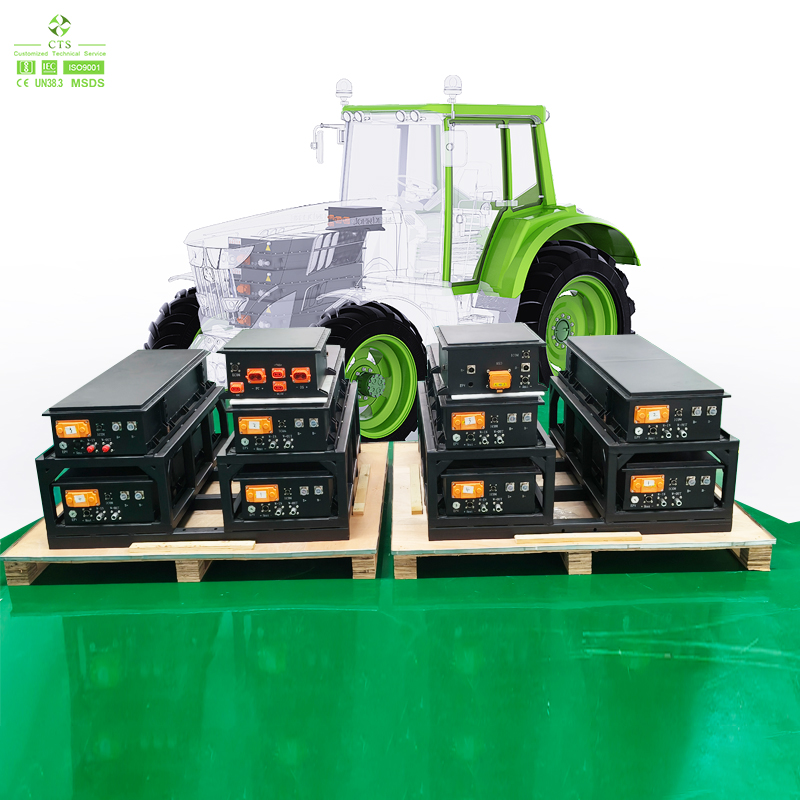
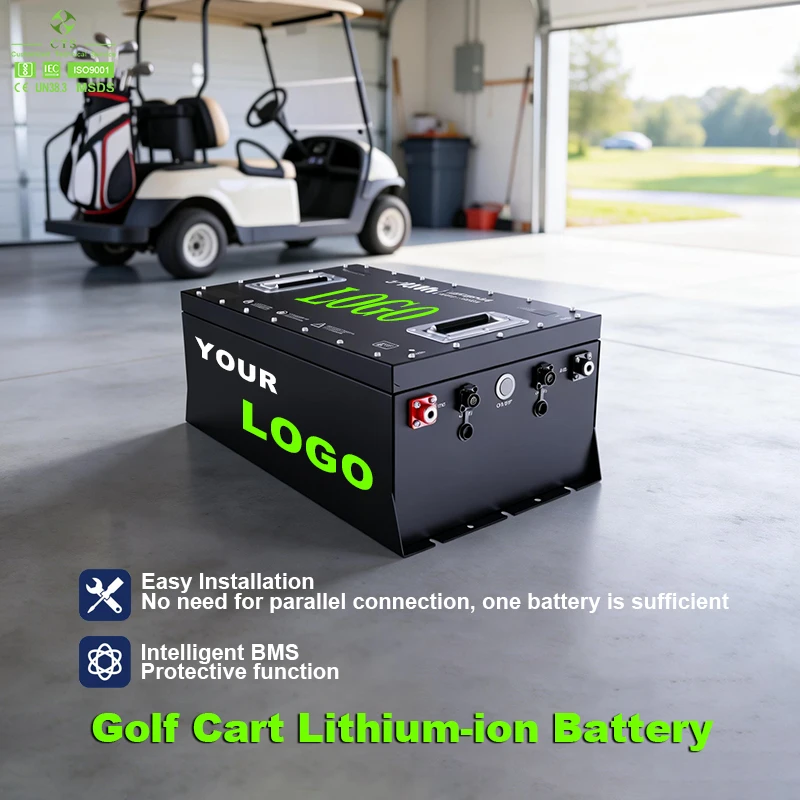
The landscape of the golf and utility vehicle (UTV) industry has reached a definitive tipping point in 2026. What was once considered a premium "upgrade" just a few years ago has now become the industry standard. As we move through the second quarter of 2026, major golf cart manufacturers are rapidly phasing out traditional lead-acid systems in favor of Lithium Iron Phosphate (LiFePO4) technology.
But what is driving this accelerated shift? Here is an analysis of why lithium is winning the race and how pioneers like CTS Battery are shaping this transition.
One of the primary reasons manufacturers are making the switch is the demand for consistent user experience. Lead-acid batteries suffer from significant voltage drop; as the battery drains, the cart loses speed and hill-climbing power.
In 2026, consumers expect their golf carts to perform like modern EVs. Lithium batteries maintain a steady voltage output until the very last percentage of charge. Manufacturers partnering with CTS Battery are now able to guarantee their fleet maintains 100% torque and speed, whether the battery is at 90% or 10% capacity.
Weight is the enemy of efficiency. A standard lead-acid battery bank can weigh upwards of 300-400 lbs. By switching to a compact lithium solution, manufacturers can reduce the vehicle's weight by nearly 70%.
This reduction offers two massive benefits:
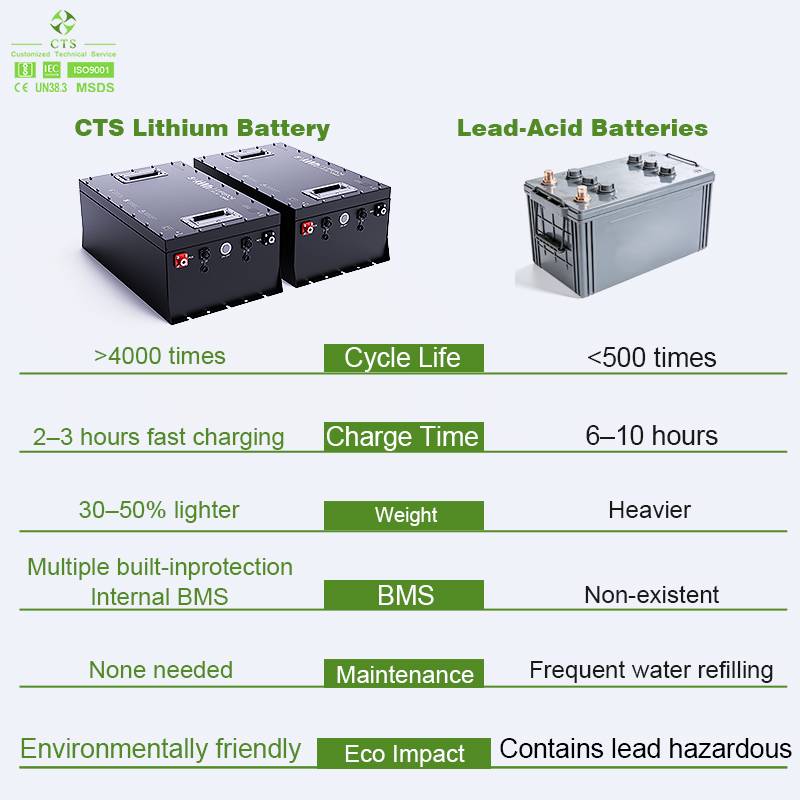
In 2026, the "Total Cost of Ownership" (TCO) is the most important metric for fleet buyers. While lithium has a higher upfront cost, its lifespan is incomparable.
By integrating CTS Battery’s high-cycle lithium modules, manufacturers can market a "zero-maintenance" power system that lasts the entire life of the cart, eliminating the need for expensive battery replacements every few years.
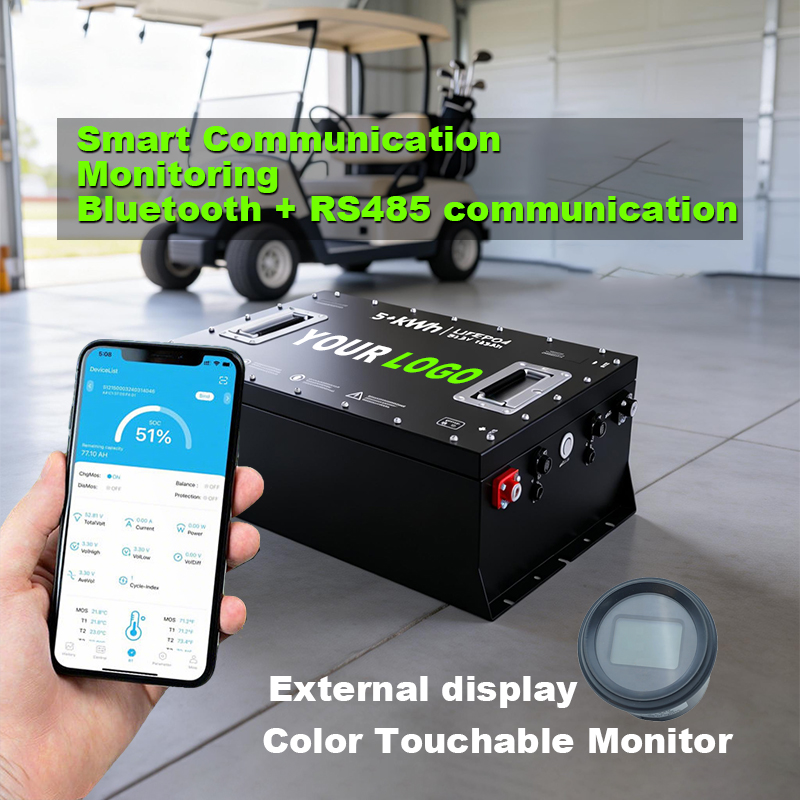
2026 is the year of the "Smart Cart." Modern manufacturers are integrating GPS, fleet management software, and digital dashboards directly into the vehicle.
Lithium batteries, equipped with advanced Battery Management Systems (BMS), provide real-time data that lead-acid simply cannot. CTS Battery provides custom BMS solutions that allow fleet managers to monitor battery health, temperature, and remaining range via cloud-based apps, preventing downtime before it happens.
Environmental compliance is no longer optional. With stricter regulations on lead disposal and the carbon footprint of manufacturing, LiFePO4 has emerged as the "green" choice. Lithium batteries are more efficient during charging (less wasted energy) and do not contain toxic heavy metals that leak or off-gas.
As a leading manufacturer of custom lithium battery solutions for the power sector, CTS Battery has been at the forefront of this revolution, delivering safe, reliable, and high-performance LiFePO4 packs tailored for the unique power demands of the golf cart and utility vehicle industry.
Whether you're an OEM developing a new vehicle model or a procurement manager looking for a better battery solution for your existing fleet, the engineering team at CTS Battery is ready to support you — from custom specification to mass production delivery.
Contact us today for a tailored quote and solution proposal →
 Hot News
2024-09-18
2024-12-25
2025-01-15
2025-09-30
2025-10-28
2025-10-30

 EN
EN